
We’ve got some exciting news from the Shotgunwise team. If you’re looking for shotgun training in Todmorden, we’re delighted to announce our new partnership with Clough Head Clay Shoot. Shotgun Training in Todmorden and West Yorkshire Through our partnership with Clough Head, we’re now able to run our full range of Shotgunwise training courses from a well-established and scenic shooting ground within easy reach of Todmorden and the wider West Yorkshire area. If you’ve been searching for: You now have access to professional, structured coaching in a fantastic local setting. Our focus remains the same—safe, professional instruction delivered in a relaxed and enjoyable environment, whether you’re completely new or looking to refine your skills. “Have a Go” Clay Shooting Days Near Todmorden We’re especially excited to bring our popular “have a go” clay pigeon shooting days to Clough Head. These sessions are ideal for anyone in Todmorden and the surrounding areas who: Everything is provided, and our experienced instructors will guide you step by step—making it a safe, enjoyable introduction to clay pigeon shooting. A Great Local Venue for Clay Pigeon Shooting Clough Head Clay Shoot provides the perfect environment for everything we do at Shotgunwise. With its natural layout and varied targets, it offers: By working in partnership with Clough Head, we’re able to deliver a high-quality experience while keeping everything local to Todmorden and West Yorkshire. Building a Strong Local Shooting Community This partnership is about more than just a new venue—it’s about creating more opportunities for people locally. We want to make it easier than ever for people in and around Todmorden to: We’re proud to be growing Shotgunwise in the local area and helping more people get involved. Come and Join Us We’re incredibly excited about this next step and look forward to welcoming you. If you’re looking for: 👉 Browse our courses and upcoming sessions and come and see what it’s all about.

Discovering Rishton Clay Shoot
A Hidden Gem for Clay Pigeon Enthusiasts If you’re a fan of clay pigeon shooting or just looking for a fun day out in the Lancashire countryside, Rishton Clay Shoot might just be the spot for you. Nestled in the rolling hills near Blackburn, this family-run shooting ground has been a local favourite for decades, offering a welcoming atmosphere, challenging targets, and a dash of rustic charm. Whether you’re a seasoned shooter or a complete beginner, here’s why Rishton Clay Shoot deserves a place on your radar. A Brief History Located at Tottleworth Road, Rishton, this shooting ground has been a staple since it was established back in 1970. That’s over 50 years of clay-busting action! Run by a dedicated family team, the shoot has evolved from a small local operation into a well-regarded venue that balances tradition with a fresh approach to sporting clays. It’s the kind of place where you feel the history in the air—along with the satisfying crack of a well-aimed shot. What to Expect Rishton Clay Shoot specialises in English Sporting, a discipline that mimics the unpredictability of game shooting with a variety of target presentations. The setup here is a 75-bird shoot, with traps that change every shoot day to keep things interesting. From tricky crossers to high-flyers, the layout is designed to test your skills without being overwhelming—perfect for shooters of all levels. The ground is open on Sundays from 10 a.m. to 2 p.m. (with last entry at 12:30pm and shooting starting from 11am.), making it an ideal weekend outing. It’s just a mile from Junction 7 of the M65, so getting there is a breeze whether you’re coming from Blackburn, Preston, or beyond. Membership is available, offering perks like discounted rates etc, but casual visitors are just as welcome—no commitment required. More Than Just Shooting What sets Rishton apart isn’t just the targets—it’s the vibe. The staff are known for their friendliness and responsive fixes if a trap plays up, ensuring your day runs smoothly. Hungry? The on-site food is a hit, with hearty options like the legendary bacon, sausage, and egg barm drawing rave reviews. Word to the wise: arrive early if you want to snag some grub, as it can sell out later in the afternoon. The atmosphere is laid-back yet lively, with a mix of regulars and newcomers swapping tips and stories. It’s not uncommon to hear laughter echoing across the stands, especially when someone nails a tough shot—or misses spectacularly. Why Visit? Tips for Your Trip Final Thoughts Rishton Clay Shoot is more than a place to pull a trigger—it’s a slice of Lancashire life where passion for shooting meets genuine hospitality. Whether you’re aiming to sharpen your skills, bond with friends, or just try something new, this unpretentious gem delivers. So, grab your gun (or your curiosity), head to Tottleworth Road, and see why this spot has been keeping shooters happy for over half a century. Who knows? You might just hit the target—and find a new favourite ground. As this is our local, home ground, the ShotgunWise team are usually around somewhere – See you there!!

What should I wear whilst shooting shotguns?
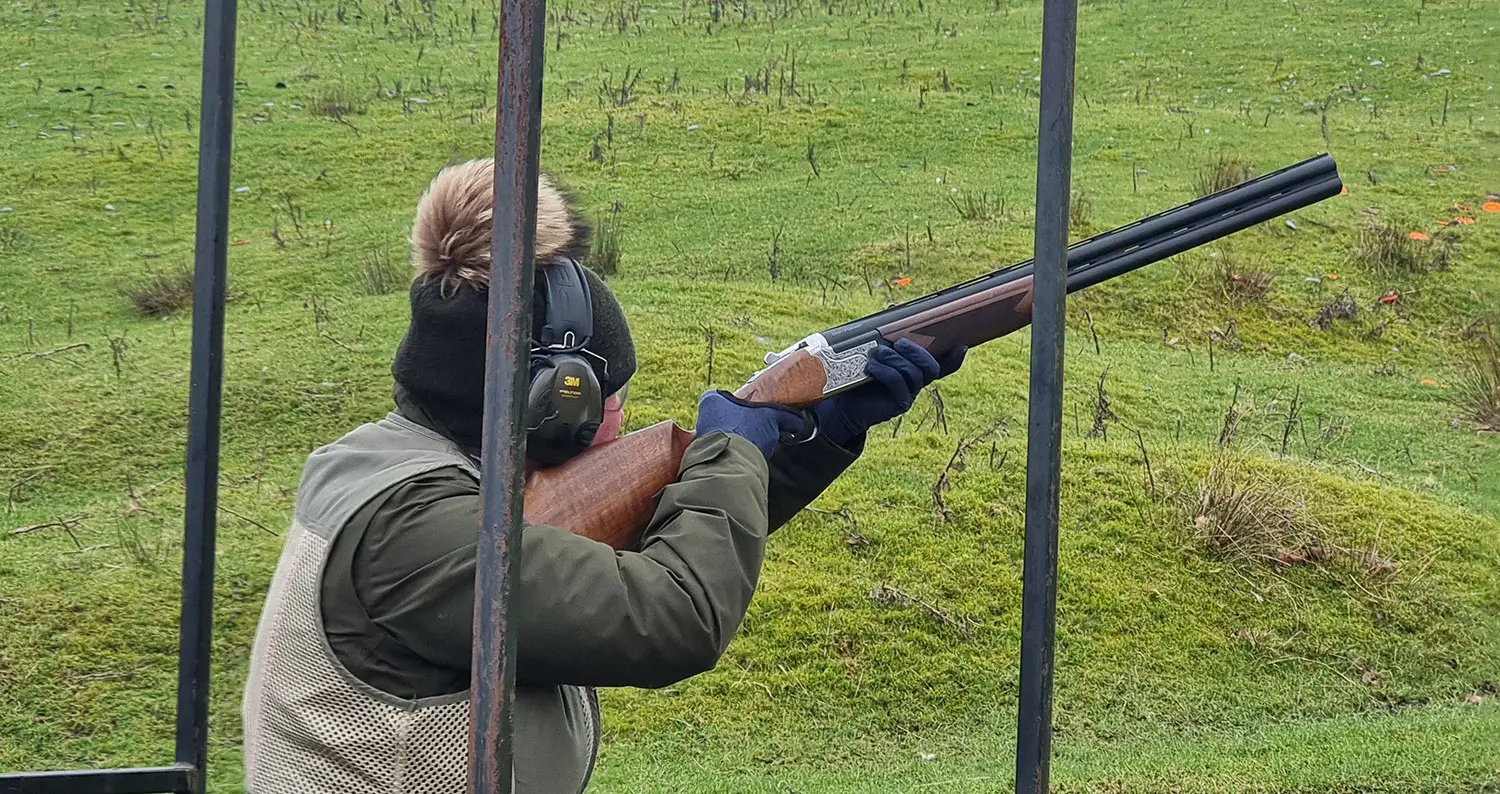
The Beginner’s Guide to What to Wear for Shotgun Shooting in the UK If you’re new to shotgun shooting, one of the first things you may wonder is, “What should I wear?” Whether you’re heading to a shooting range or venturing out into the field, wearing the right clothes and gear is crucial for comfort, safety, and performance. Don’t worry if you’re unsure – we’ve got you covered! Here’s everything you need to know about what to wear when you’re out with a shotgun, especially as a beginner in the UK. 1. Safety First: Ear Protection One of the most important pieces of equipment you’ll need for shotgun shooting is ear protection. Shotguns are loud, and the sound of a gun firing can be damaging to your hearing if you’re not protected. There are two main options: For a beginner, earmuffs might be the best option as they’re easy to put on and take off. Both options will help protect your hearing from the loud sound of a shotgun blast. 2. Eye Protection: Don’t Skip the Glasses Just as important as ear protection, eye protection is essential. Whether you’re shooting on a range or out in the field, you’ll want to make sure your eyes are safe from any debris, shells, or anything else that could fly up while shooting. Safety glasses are your best bet. Look for glasses with a wraparound design to protect your eyes from all angles. They also help to reduce glare and improve your ability to see your target clearly, which is especially useful for beginners still honing their aim. 3. Comfortable and Weather-Appropriate Clothing When it comes to shotgun shooting, you’ll likely spend a fair amount of time standing or walking around, so comfort is key. Here are some things to consider when choosing what to wear: 4. Footwear: Sturdy and Supportive Shoes Good footwear is essential for both comfort and safety. When shooting, especially outdoors, you’ll be on your feet for extended periods, possibly walking on uneven terrain. 5. Gloves for Grip and Comfort Shooting gloves can be a helpful addition to your gear, especially if you’re a beginner. Gloves can give you a better grip on the shotgun, which helps with control and accuracy. They also provide protection against blisters or discomfort that can come from holding the shotgun for long periods. Look for gloves that offer flexibility in the fingers while still being durable. Many shooting gloves are designed to allow the shooter to feel the gun while ensuring comfort. 6. Hat for Sun Protection While it might not always be sunny in the UK, a hat can still be a good addition to your shooting outfit. Not only does it protect your face and eyes from the sun’s glare (and any falling debris), but it can also keep your head warm during colder months. A cap or baseball hat is a popular choice for shooters. Make sure it has a soft brim that won’t obstruct your view as you aim down the barrel of the shotgun. 7. Vest or Shooting Jacket for Comfort and Storage If you plan to carry extra cartridges or shooting accessories, a shooting vest or jacket is a smart choice. These are often equipped with pockets for storing ammunition, making it easier to reload quickly. A well-fitted shooting vest can also help improve your comfort and flexibility while shooting, particularly when you’re aiming and moving around. Conclusion: Dressing Right for Your Shotgun Experience As a beginner, it’s easy to feel overwhelmed when you’re getting into shotgun shooting, but don’t worry – the right gear will help you feel more comfortable and confident. Start by investing in the basics: ear protection, eye protection, and comfortable clothing. Add sturdy boots and gloves for extra comfort and safety, and make sure you’re prepared for any weather conditions. As you become more experienced, you can invest in more specialised gear, like a shooting vest, but for now, just focus on being comfortable, safe, and ready to enjoy the experience. Remember, the most important thing is to have fun, so don’t get bogged down in too many details. Just make sure you’re dressed for the conditions, and you’ll be ready to hit the target! Happy shooting!

Why Shotgun Fit is Important
Understanding the Key Factors When it comes to shooting, one of the most important aspects is how well your shotgun fits. Many new owners may not realise just how much a good fit can affect your comfort, accuracy, and overall shooting experience. A shotgun that doesn’t fit properly can lead to frustration, poor performance, and even safety issues. In this blog, we’ll discuss why shotgun fit matters and how a good fit can improve your shooting performance. What is Shotgun Fit? Shotgun fit is how well the gun matches your body. A properly fitted shotgun helps you aim and shoot more comfortably and accurately. Key factors affecting fit include the length of pull, comb height, cast, drop at heel, grip style, and weight balance. A proper fit allows the shotgun to work naturally with your body, improving control, accuracy, and comfort. Key Components of Shotgun Fit 1. Length of Pull (LOP) The length of pull refers to the distance from the trigger to the end of the stock (where it meets your shoulder). If the LOP is too short or too long, it can make aiming uncomfortable and inaccurate. The correct LOP ensures that the shotgun sits comfortably against your shoulder. 2. Comb Height The comb is the part of the stock that rests against your cheek. The height of the comb should allow your eye to align naturally with the barrel. If it’s too high or too low, it can cause discomfort and misalignment, leading to poor accuracy. 3. Cast Cast refers to the sideways angle of the stock, either to the left or right. The correct cast ensures that the shotgun aligns properly with your eye. A shotgun with improper cast can reduce accuracy. 4. Drop at Heel and Drop at Comb The drop at heel and drop at comb determine the vertical angle of the stock. If the drops are incorrect, it can affect your aiming position, causing you to shoot too high or too low. 5. Grip Style The grip style affects how you hold the shotgun. A comfortable grip ensures better control and stability when shooting. There are different grip types, including pistol grips and straight grips, each offering different benefits depending on your shooting style. 6. Weight Distribution The weight balance of the shotgun determines how it feels when you shoulder it. A balanced shotgun is easier to control, while poor weight distribution can lead to discomfort and difficulty managing recoil. Why Does Shotgun Fit Matter? 1. Comfort A shotgun that fits well will feel comfortable when you handle it. If the shotgun is too long, short, heavy, or poorly balanced, it can cause discomfort, making it harder to shoot accurately and for longer periods. A good fit ensures a smooth, enjoyable shooting experience. 2. Accuracy A shotgun that fits properly improves your accuracy. When a gun aligns naturally with your body, you can shoot without having to make adjustments to your stance or aim. A proper fit helps you shoot quicker with more consistently, increasing the likelihood of hitting your target. 3. Reduced Recoil When your shotgun fits well, the recoil is distributed more evenly across your body. This reduces the impact of the recoil, making shooting more comfortable and less tiring, especially during extended shooting sessions. 4. Safety A properly fitted shotgun improves safety by reducing the risk of improper handling. For example, a shotgun that’s too long or short can cause poor posture, increasing the risk of accidents. A good fit allows for proper control and ensures that the gun remains safely pointed when in use. How to Ensure the Best Shotgun Fit Here are some tips to make sure your shotgun fits well: Conclusion Shotgun fit is critical for comfort, accuracy, recoil management, and safety. Whether you’re a new shooter or an experienced one, taking the time to ensure your shotgun fits properly will enhance your shooting experience and performance. By understanding the importance of fit and adjusting key components like the length of pull, comb height, and cast, you can shoot more accurately, comfortably, and safely. If you’re unsure about the fit of your shotgun or need help finding the right one, professional fitting services and guidance are available. Ensuring the right fit will improve your shooting experience, and with regular practice, you’ll become a more confident and accurate shooter.

Attention Responsible Firearms Owners!
We can help you sell your shooting! Are you a passionate, responsible and experienced firearms owner offering deer stalking, wild boar shooting, wildfowling, or pest control services?Do you want to reach a wider/different audience of like-minded individuals who are seeking expert guidance and thrilling shooting experiences? We’ve got something for you! Advertise your shooting services with us – FREE OF CHARGE!As a responsible firearms owner, you now have the opportunity to register your services with us (you details are kept private), connecting you with valuable clients from all over the UK. Whether you’re offering guided shoots or providing pest control, we’re here to help you find clients. Why advertise with us? Free advertising for your shooting services. Reach a wider community of shooters. Promote a range of activities like deer stalking, wild boar shooting, pest control and game shooting. National exposure to individuals seeking shooting opportunities. Support responsible shooting and the development of safe, enjoyable experiences. Your details will NOT be public-facing. Privacy is assured. Pass your skills onto the next generation of shooters. Take advantage of this great opportunity and help grow the responsible shooting community! Get in touch & advertise your shooting services today – it’s completely free!

Buying Your First Shotgun
A beginners guide to shotgun choice Buying your first shotgun can be exciting but also overwhelming. There are a few key things to consider to make sure you choose the right one. Here’s what a beginner should look for when buying your first shotgun: 1. Shotgun Weight The weight of the shotgun affects how easy it is to handle. Lighter shotguns are easier to carry but may have more recoil. Heavier shotguns are more stable and reduce recoil but can be tiring to carry. 2. Shotgun Type There are different types of shotguns to consider: 3. Shotgun Fit A good fit is key to being comfortable and accurate. Make sure the stock (the part you shoulder) is the right length for you. It should sit comfortably against your shoulder and align with your cheek. You should also feel balanced when raising the shotgun to shoot. 4. Barrel Length Barrel length impacts how easy the shotgun is to handle. Shorter barrels are quicker to move and easier for beginners, while longer barrels help with accuracy. A barrel length of around 28 to 30 inches is a good starting point for beginners. 5. Gauge The most common shotgun gauges are 12g and 20g: 6. Recoil Management Recoil is the “kick” you feel when you fire the shotgun. Look for features like recoil pads or a semi-automatic model to help manage recoil, making it more comfortable to shoot. 7. Budget Shotguns come in various price ranges. As a beginner, you don’t need to go for a high-end model. Look for a reliable, affordable shotgun that suits your needs. You can always upgrade later once you get more experience. Conclusion: Choose the Right Shotgun for You When buying your first shotgun, focus on getting one that’s the right weight, fit, and gauge for your needs. Make sure it’s comfortable to handle and easy to get on with. Don’t forget to take a Shotgun Awareness Course to ensure you are aware how use your shotgun safely and responsibly. Image courtesy of Bamford Guns, Eccleston, Lancashire
Firing a 12g Shotgun For The First Time
If you’ve ever wondered what it feels like, firing a 12g shotgun for the first time, you’re not alone. The thought of handling this powerful piece of equipment can be daunting, but let me assure you—it’s also thrilling, rewarding, and, yes, a bit overwhelming. Whether you’re thinking about getting your shotgun licence or just curious about what happens when you pull that trigger, this blog will walk you through the emotions and sensations of firing a 12g shotgun for the very first time. The Anticipation You’ve probably heard all sorts of things about shotgun recoil, the “kick” when the gun goes off, and the need to stay steady when firing. You might even have heard the occasional joke or two about how it can feel like you’ve been hit by a small truck. So, naturally, there’s a mix of excitement and nervousness when you’re about to take that first shot. Standing there, you feel the weight of the 12g shotgun in your hands, knowing it’s designed for power and precision. The cartridge is slipped into the shotgun you’ve been given, and you gently close the shotgun. The anticipation builds. What will it feel like? Will it be as powerful as everyone says? The Moment of Truth: Taking the Shot You raise the shotgun, your finger lightly on the trigger, and there’s a split-second of silence. For those first few moments, it’s almost surreal. Then you pull the trigger. BOOM! The sound is deafening, the recoil sharp and sudden, but not as bad as you might have imagined. It’s a feeling of controlled chaos. The kickback of the 12g shotgun makes you lean slightly back, but the advice to “keep your shoulder firm” pays off. Instead of the dreaded hit by a truck feeling, it’s more like a quick jolt that tells you, “Hey, I’ve just fired something powerful.” Your heart races as the cloud of smoke clears. You’ve done it! The adrenaline rush is instant, and the next thing you feel is a huge sense of accomplishment. The power in your hands is real, but you’re still in control. It’s a feeling of power combined with respect for the tool you’ve just used. The Recoil: What It Feels Like Let’s address the “recoil” question head-on. Yes, a 12g shotgun does have a noticeable recoil, especially compared to smaller calibres, but it’s manageable. The first time you experience it, you might flinch slightly or brace yourself for something more jarring—but the reality is that with proper stance and technique, it’s far more about control than discomfort. Think of it like a controlled force—a bit like the jolt you get when a car suddenly accelerates. It catches you off guard, but you recover quickly, ready for the next shot. After the initial surprise, you quickly find your rhythm. The Feeling of Accuracy: When You Hit Your Target For many, the real magic happens when you finally hit your target. Whether it’s a clay pigeon or a practice target, there’s nothing quite like the rush of seeing your aim connect. Your eyes widen as the clay shatters or the target falls. It’s as if the world slows down for just a moment, and you bask in the feeling of having mastered the moment. If you don’t hit it on your first try, don’t worry. It’s all part of the learning process. In fact, the thrill of hitting the target comes with practice, and the satisfaction of watching your skill improve with each shot is something you’ll cherish. The Post-Shot Glow After you’ve taken your first shot, it’s like the world has opened up a little more. You might feel a bit tired (those 12g shotguns aren’t light!), but that’s part of the fun. The physical exertion is balanced by a mental sense of accomplishment. There’s no denying that a shotgun—especially a 12g—packs a punch, but once you’ve gone through the experience, you have a deeper appreciation for the sport, the gun, and your own capability. Why It’s Worth It Firing a 12g shotgun for the first time is a unique experience that can only truly be understood by those who’ve been there. Yes, it’s powerful. Yes, it’s loud. But more than that, it’s empowering. It’s about learning control, embracing the thrill, and understanding the importance of safety and responsibility when handling a firearm. If you’re thinking about applying for your shotgun licence, We recommend taking a Shotgun Awareness Course to make sure you’re fully prepared. Whether you’re aiming for a clay target or just want to learn the ropes, our courses cover everything you need to know to get started with shotguns safely. Final Thoughts: The Power of the First Shot Your first experience with a 12g shotgun is something you’ll never forget. From the anticipation, the first jolt of recoil, to the satisfaction of hitting your target—it’s an emotional journey that mixes power, control, and responsibility. With the right training and mindset, you’ll feel more confident, more in control, and ready to take on any challenge in the world of shooting sports. So, are you ready to pull the trigger on your first shotgun experience? Book your Shotgun Awareness Course today and make your first shot count!

🚨 Last Shoot at Rishton Clay Shoot – Sunday 23rd February 🚨
This was a relevant post a short while ago however, its been saved and reopens 6th April 2025 at 10am!! It’s with heavy hearts that we announce this coming Sunday, 23rd February, will be the final shoot at Rishton Clay Shoot due to unforeseen circumstances. 💔 Lets send them out with a bang! 🎯 Come join us for one last shoot, grab a bite, and share some great memories with old friends and new faces alike. This Sunday is also a special chance to show our appreciation for Eddie, Lesley, and the team, who have been the heart and soul of the shoot – let’s make the final day unforgettable! 🙌 🔫 Details: Come down, enjoy the day, and help us show Eddie, Lesley, and the team just how much they’ve meant to all of us. Let’s make it a day filled with fun, friendship, and some epic shots! 😎 📍 Location: Rishton Clay Shoot – Google Maps Link We hope to see you all there, for one last blast! 🔥 #RishtonClayShoot #LastShoot #FinalShoot #ThankYouEddieLesleyAndTeam #GoodTimes #MemoriesMade

How a Shotgun Cartridge Works
How a Shotgun Cartridge Works: A Beginner’s Guide for Firearms Licence Applicants If you’re considering applying for a firearms or shotgun licence, understanding how a shotgun cartridge works is essential. Whether you’re new to shooting or preparing for your Shotgun / Firearm Safety Course, knowing the mechanics behind ammunition will help you handle shotguns safely and responsibly. This guide breaks down the components of a shotgun cartridge, explains how it functions, and highlights why proper knowledge is crucial for responsible firearm ownership. What is a Shotgun Cartridge? A shotgun cartridge, also called a shot shell, is the ammunition used in shotguns. Unlike rifle or pistol rounds, shotgun cartridges often contain multiple small pellets (shot) or a single solid projectile (slug). The design of the cartridge allows for a wider spread of pellets, making it ideal for hunting, clay shooting, and pest control. The Components of a Shotgun Cartridge A standard shotgun cartridge consists of five main parts: How a Shotgun Cartridge Works Why This Knowledge Matters for Firearms Licence Applicants When applying for a firearms or shotgun licence, you should demonstrate knowledge of firearm safety and ammunition handling. Choosing the Right Shotgun Cartridge Always check UK firearm laws regarding permitted ammunition types. Enroll in Our Shotgun & Firearm Pre-application Safety Course Applying for a shotgun licence requires knowledge of safe handling, legal compliance, and ammunition understanding. Our Shotgun & Firearm Safety Course covers the basics of: Book your training today and become a confident, responsible firearm owner. Final Thoughts: Responsible Firearm Ownership Starts with Knowledge Understanding how a shotgun cartridge works is essential for anyone applying for a firearms or shotgun licence. This knowledge improves firearm safety, legal compliance, and shooting accuracy. Want to learn more? join our Shotgun & Firearm Safety Course today to gain the skills and confidence needed for responsible shotgun ownership. © 2025 ShotgunWise. All rights reserved.

Non-Toxic Shot: The Environmentally-Friendly Revolution
What’s the big deal about lead shot? As hunting and shooting sports continue to evolve, so does the technology behind the ammunition used. Recently, many have pushed for using non-toxic shot, which helps reduce the impact on our environment, wildlife, and human health. While traditional lead shot has been the go-to for many hunters, non-toxic alternatives are gaining momentum, offering safer and more sustainable options for both shooters and the planet. This blog explores the rise of non-toxic shot, its benefits, and why hunters and shooters are increasingly choosing it. The Problem with Lead Shot For decades, lead served as the standard material for shotgun pellets. However, the environmental and health risks of lead shot have recently come to the forefront. Hunters risk leaving lead shot in the environment, whether in the soil or ingested by animals. The consequences of this can be devastating. Wildlife Impact: Animals, especially waterfowl, face poisoning if they ingest spent lead shot or prey contaminated by it. Even small amounts of lead can be fatal to birds and other wildlife. Soil Contamination: Lead particles seep into the soil and water systems over time, causing long-lasting environmental contamination. This has raised concerns about the safety of hunting grounds and wetland areas. Health Concerns: Handling lead ammunition can pose health risks to humans, particularly children and pregnant women. Lead poisoning can occur through direct exposure or by consuming contaminated game meat. Given these risks, it’s clear why demand for alternatives to lead shot continues to grow. What Is Non-Toxic Shot? Non-toxic shot refers to shotgun pellets made from materials that are safer for the environment and wildlife. The most common types of non-toxic shot include: Steel: Steel is one of the most popular non-toxic materials for shotgun pellets. It’s durable, relatively affordable, and doesn’t pose the same environmental or health risks as lead. Bismuth: Bismuth is a great option for non-toxic shot. It’s heavier than steel, providing performance similar to lead in terms of range and accuracy. Bismuth offers a safer, environmentally friendly alternative for hunters seeking a more traditional feel. Tungsten: Tungsten-based pellets, such as Tungsten Super Shot (TSS), provide exceptional performance. Tungsten is denser than lead, offering better energy retention and more powerful shots at longer distances. Copper: While less commonly used, copper has gained praise for its environmental safety and similar density to lead. Each of these materials has advantages and drawbacks, but all share one key benefit: they are non-toxic, reducing environmental contamination and the risk to wildlife. Why Non-Toxic Shot Is Becoming Popular Environmental Benefits The primary reason for the shift towards non-toxic shot lies in its environmental impact. By moving away from lead-based ammunition, hunters and shooters make cleaner, more sustainable choices. Non-toxic materials like steel, bismuth, and tungsten are biodegradable and won’t linger in the environment for centuries like lead. This helps protect natural habitats and reduces long-term risks to wildlife. Healthier Hunting and Shooting Practices Non-toxic shot also offers health benefits. Lead poisoning, caused by animals ingesting lead pellets, poses a significant threat, especially to waterfowl that mistake pellets for food. By switching to non-toxic shot, hunters eliminate this risk, creating a safer environment for both wildlife and humans. Furthermore, non-toxic shot doesn’t contaminate meat, so hunters don’t have to worry about lead poisoning when consuming game meat. Increased Legal Restrictions on Lead Shot Many countries and regions have already taken steps to limit or ban lead ammunition, especially in wetland areas or national parks. In the UK, for instance, lead shot has been banned in certain areas, especially for hunting wildfowl. As lead shot regulations continue to tighten, non-toxic alternatives have become the standard, ensuring hunters remain compliant with local laws. Performance and Cost-Effectiveness Performance is crucial for many hunters. Fortunately, non-toxic materials like bismuth and tungsten deliver comparable, if not superior, performance to lead. Tungsten, being denser than lead, provides more energy and a longer effective range. Steel, while less dense, remains a popular choice for hunting waterfowl and offers an affordable option compared to other non-toxic alternatives. Bismuth performs similarly to lead and is favoured by those who prefer a softer alternative to steel. Growing Availability and Innovation As the demand for non-toxic shot grows, its availability continues to expand. Ammunition manufacturers have developed a wider range of non-toxic shot options for various types of shooting, including waterfowl hunting, small game, and target shooting. Material innovations have made non-toxic shot more effective and affordable, offering shooters greater flexibility and choices. Choosing the Right Non-Toxic Shot The key to successfully switching to non-toxic shot lies in understanding your needs as a shooter. Whether you’re hunting for game or shooting targets, the right type of non-toxic shot can make all the difference. Here are a few tips for selecting the best option: For waterfowl hunting: Steel is the most commonly used non-toxic shot for waterfowl hunting, as it’s affordable and effective for medium-range shots. If you prefer a softer shot that mimics lead’s behaviour, consider bismuth. For long-range hunting: If you need extra power for longer shots, tungsten-based shots like Tungsten Super Shot (TSS) provide the energy required at greater distances. For small game: Bismuth and tungsten are also effective for small game hunting, offering great precision and performance. Steel remains a popular choice for cost-effective small game hunting. Final Thoughts: The Future of Shooting is Non-Toxic Non-toxic shot is revolutionising shooting and hunting. As environmental concerns and legal restrictions on lead shot continue to grow, using non-toxic alternatives is not only the responsible choice but also the best choice for long-term sustainability. Whether you’re a seasoned hunter or a beginner, switching to non-toxic shot helps protect the planet, safeguard wildlife, and ensures that you’re practising your sport responsibly.
